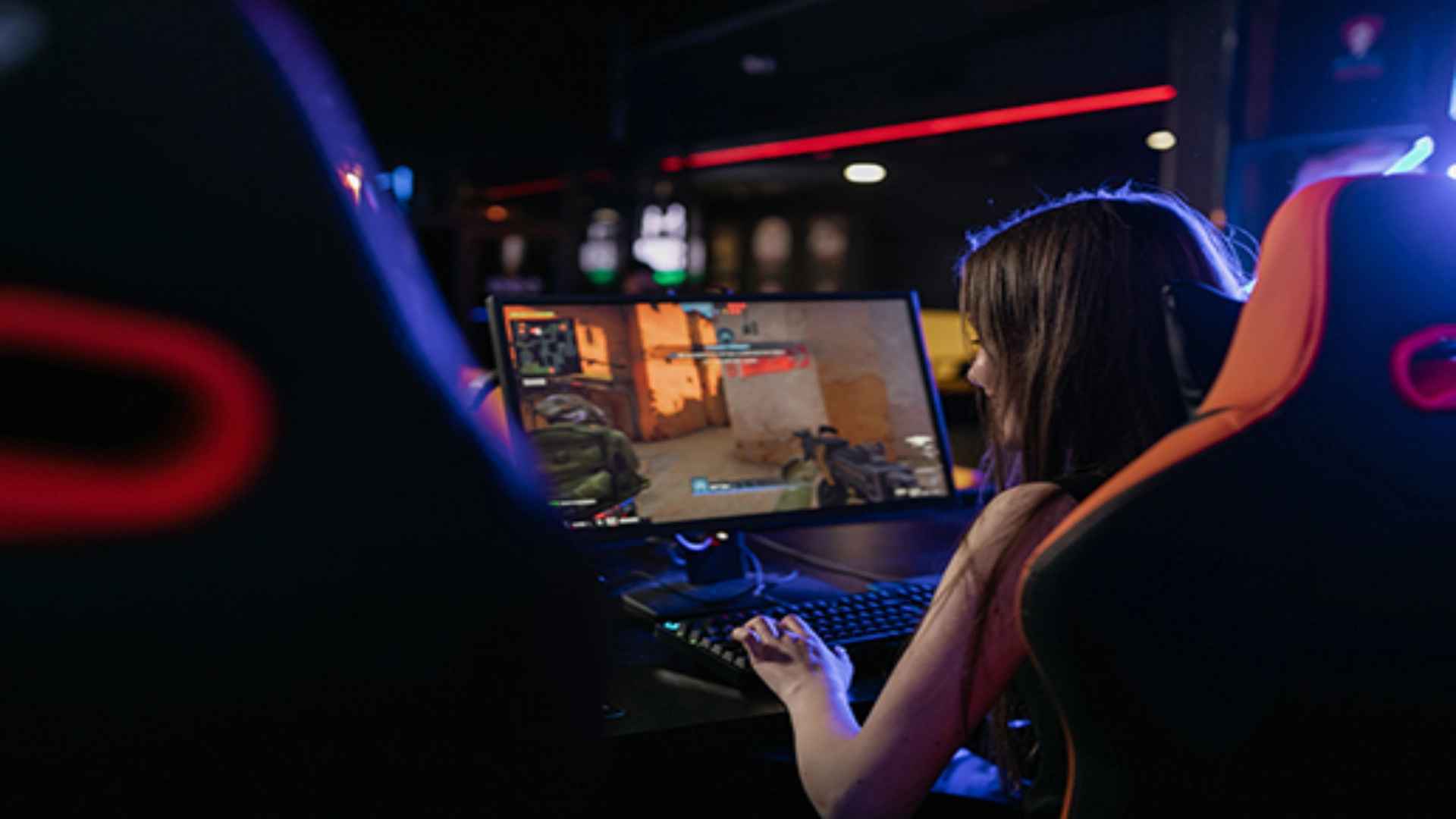
The landscape of modern online gaming has undergone a massive transformation, shifting from isolated single-player experiences into vibrant collective environments. A major driver behind this evolution is the integration of structured group dynamics that challenge players to coordinate their efforts. Titles featuring complex collaborative missions encourage communities to look beyond individual metrics and focus heavily on shared success.
The Evolution of Gaming Communities
In the early days of digital entertainment, players mostly competed for individual high scores on local leaderboards. However, the rise of persistent online worlds allowed formal organizations to emerge as a cornerstone of the player experience. Modern game environments purposefully integrate structured groups to foster long-term player retention and build deep mutual trust.
These organized factions provide a dedicated space where individuals can communicate, share valuable resources, and strategize. As a result, participating in these virtual groups helps players cultivate lasting social connections that often extend outside the game. The shift toward collective identity has fundamentally redefined how modern audiences engage with digital platforms.
Strategic Management and Clear Coordination
Achieving difficult long-term milestones within a virtual group requires a high level of operational management and leadership. Successful teams often utilize collaborative tools and communication networks to assign distinct operational roles to each member. This level of preparation ensures that every individual understands their specific contribution toward the ultimate goal.
To optimize performance, players frequently seek out specialized platforms that offer reliable connection tools and updates. Utilizing resources like the m88 link mobile enables participants to maintain constant connectivity with their digital communities while managing real-time coordinates. Maintaining open communication lines inside the network ultimately dictates the success or failure of complex operations.
Shared Milestones and In-Game Performance
Fulfilling collective objectives requires teams to prioritize group progress over individual achievements. High-tier challenges, such as large-scale raids or territorial control matches, demand that participants execute their tasks with near-perfect consensus. This structural dependency forces players to constantly refine their collaborative skills and adapt to dynamic battlefields.
When an entire faction operates as a single unified unit, the level of immersion and satisfaction increases dramatically. The rewards obtained from these high-stakes victories are typically distributed among all participants, strengthening the overall community ecosystem. This cycle of collaborative effort and shared rewards keeps the gaming landscape highly engaging for years.
Future Trends in Cooperative Design
As virtual technology continues to advance, developers are designing even more intricate systems to support mass collaboration. Future titles will likely feature dynamic world-building elements that react directly to the choices made by large player organizations. These evolving environments ensure that the collective challenges remain fresh, challenging, and intellectually stimulating.
Furthermore, the deep integration of cross-platform features will allow communities to organize across multiple devices simultaneously. This accessibility will lower the barrier to entry, inviting a more diverse audience to participate in complex tactical play. Ultimately, the focus on shared objectives will continue to push the boundaries of what interactive entertainment can achieve.